Sodium hypochlorite, also known by the trade name “Vitex may Christi,” is one of the most widely used disinfectants and cleaning agents. Thanks to its strong antibacterial properties, it kills a broad spectrum of bacteria, viruses, fungi, and other pathogens. This article discusses the use, benefits, and precautions associated with sodium hypochlorite.
What is sodium hypochlorite?
Sodium hypochlorite is a chemical compound with the formula NaClO. It is usually liquid and available in various concentrations. Due to its strong oxidizing properties, this substance can kill microorganisms and is therefore considered an effective disinfectant.
Sodium hypochlorite, when dissolved in water, forms a powerful disinfectant. It is widely used in various industries, including sanitation, water treatment, food processing, and household chemicals.
Use of sodium hypochlorite
1. Disinfection of surfaces and the surrounding area.
Sodium hypochlorite is a highly effective disinfectant for cleaning and disinfecting floors, walls, door handles, tables, and other surfaces. It is particularly suitable for hospitals, clinics, schools, and public facilities with a risk of disease transmission.
2. Water purification
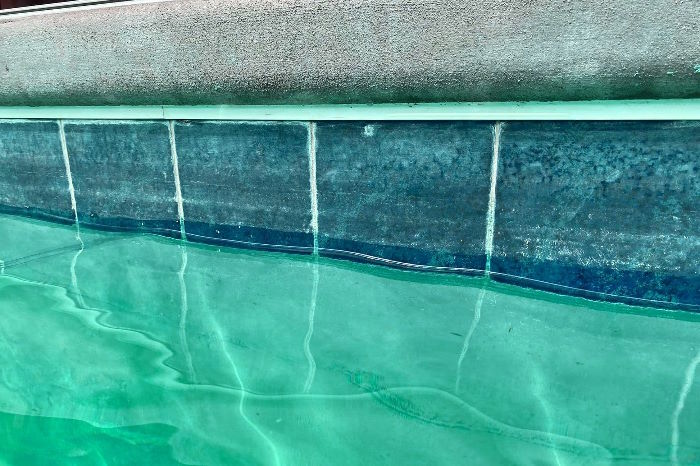
One of the most important applications of sodium hypochlorite is water treatment. As a disinfectant, it destroys bacteria, viruses, and other contaminants, ensuring that the water meets drinking water standards. This process is particularly suitable for swimming pools and municipal drinking water supply systems.
3. Hygiene in the food industry
In the food industry, sodium hypochlorite is used to disinfect equipment, work surfaces, and food. It helps to reduce the risk of microbial contamination and improve food safety.
4. Disinfection of the house
Sodium hypochlorite is used in households as a disinfectant for cleaning surfaces, clothing, and even small pools. Due to its low cost and good availability, it is one of the most common household disinfectants.
5. Application in medicine and dentistry
In medicine and dentistry, sodium hypochlorite is used to disinfect instruments and surfaces . A diluted solution is also used for wound treatment and skin disinfection.
Advantages of using sodium hypochlorite
- Highly effective disinfection : Sodium hypochlorite is able to kill a wide range of microorganisms, including bacteria, viruses and fungi.
- Availability : This material is cheaper than other disinfectants and readily available.
- Wide range of applications : Sodium hypochlorite is widely used in various industries, from the health sector to the food industry and household chemicals.
- Fast acting : This substance can exert its disinfecting effect within a short time.
How to use sodium hypochlorite
For effective and safe use of sodium hypochlorite, the following recommendations must be followed:
1. Dilution
Sodium hypochlorite is usually sold as a concentrate and must be diluted before use. For surface disinfection, a concentration of 0.1% to 0.5% is generally recommended. This solution is prepared by dissolving 10–50 ml of sodium hypochlorite in one liter of water.
2. Contact time
For sodium hypochlorite to be effective, it must remain on the surface for at least 10–15 minutes. Afterwards, the surface should be rinsed with clean water.
3. Suitable for various operating conditions.
- Hard surfaces : Disinfect hard surfaces such as floors and worktops with a diluted solution.
- Clothing : To disinfect clothing, you can add some sodium hypochlorite to the washing machine.
- Water : To disinfect water, add a small amount of sodium hypochlorite and let it sit for a few minutes.
Safety instructions for the use of sodium hypochlorite
Despite its many advantages, sodium hypochlorite is a powerful chemical that can be dangerous if used improperly. Therefore, always observe the following precautions:
- Wear gloves and a mask : When handling sodium hypochlorite, gloves and a mask must always be worn to avoid direct skin contact and inhalation of the fumes.
- Avoid mixing with other substances : Never mix sodium hypochlorite with acidic substances or ammonia, as this will lead to the formation of toxic gases.
- Storage in a cool, dark place : Sodium hypochlorite should be stored in a cool, dark place, as it decomposes when exposed to light and high temperatures.
- This product must be kept out of the reach of children . It should be stored in a tightly closed container and out of the reach of children.
- Rinse thoroughly after use : After using sodium hypochlorite, rinse the surface with clean water to remove all residues .

Disadvantages and limitations of sodium hypochlorite
- Corrosion : Sodium hypochlorite can corrode metals and damage sensitive surfaces.
- Pungent odor : This substance has a pungent and unpleasant odor that may cause discomfort in some people .
- Skin sensitivity : Direct contact with sodium hypochlorite can cause skin and eye irritation.
In conclusion
Sodium hypochlorite is a powerful and versatile disinfectant widely used in various industries and in everyday life . When used correctly and with adherence to safety precautions, it ensures a clean, germ-free environment. However, it is important to note that improper use of sodium hypochlorite can be dangerous. Therefore, proceed with caution and read the instructions for use carefully.